
Search the website

Find GestHigiene kits, treatments, videos and information.

Enter at least 2 characters to search.

Popular searches

Skip to content

Understand to care

Learn to recognise bites

Noticed marks on your skin and want to understand what might be happening? This guide helps you recognise some signs and know what to look for at home.

Look at your surroundings too.

The images are illustrative. Reactions vary between people and may look similar for different insects. The appearance of a bite alone does not confirm the pest. [1]

What should I look for?
Illustrations of possible reactions. Poster labels: tick, mosquito, wasp, spider, bee, ant, scorpion, flea and bed bug. Identification also depends on signs in the affected area.
Open original image (new tab)

Enlarged visual guide

GestHigiene illustrated guide showing examples of tick, mosquito, wasp, spider, bee, ant, scorpion, flea and bed bug bites or stings. Reactions vary, and the appearance of a bite alone does not identify the pest.

You can scroll through the image to see all examples. Open original in a new tab.

Compare skin and environmental signs

Compare the signs before deciding

Choose an insect to learn about common signs. The image shows the insect or an illustrative guide; it is not a diagnosis of skin marks.

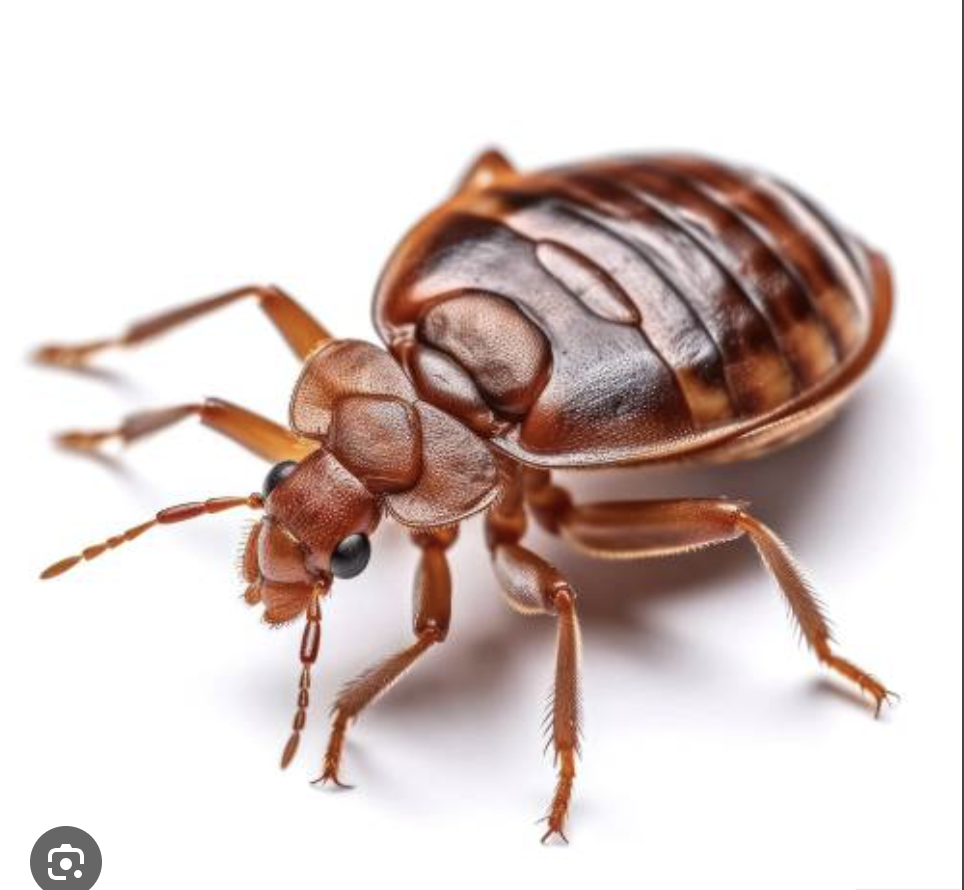
Reference illustration of a bed bug

Illustrative image — enlarge the full poster at the top of this page.

Bed bugs

On the skin

Marks can appear individually, in clusters or in a line. They may appear some time after the bite.

What to look for at home

Check mattress seams, the headboard, bed base and cracks. Look for insects, shed skins and dark stains.

Bites in a line do not confirm bed bugs. Identification requires examining the insect or evidence in the environment.

Ask for help on WhatsApp

01 / Signs to observe

Combine clues from your skin and surroundings.

While resting

Bed bugs

Marks may appear in clusters, lines or scattered areas, often on skin exposed during sleep. They may take several days to appear.

Check mattress seams, the bed frame and headboard. Look for insects, small dark stains, blood spots on sheets or shed skins. [1] [2]

Fabrics and resting areas

Fleas

Bites often appear in groups, especially below the knees, and may itch.

Check carpets, pet bedding and resting areas. If you have pets, seek veterinary advice about fleas and appropriate care. [3] [4]

Context matters too

Mosquitoes

Bites often form small, itchy bumps. Their appearance may overlap with other types of bite. [1] [3]

Check whether mosquitoes are present and note where you were when you first noticed the marks. This helps establish the context.

02 / The next step

What to do next.

  1. Check the area.

    Inspect the bed, sofa and places where you found signs.

  2. Photograph what you find.

    A clear photo of the insect and evidence in the area can help with identification.

  3. Request an assessment.

    Tell us how long this has been happening and which rooms show signs.

Found signs at home?

GestHigiene helps assess evidence of pests in your property and determine the next step.

Send a photo of the insect